A Beginner’s Guide to Owning a German Shorthair Pointer
Some links may be affiliate links, which means I might earn a small commission if you purchase—at no extra cost to you. I only recommend things I truly love. Thanks for supporting this space!
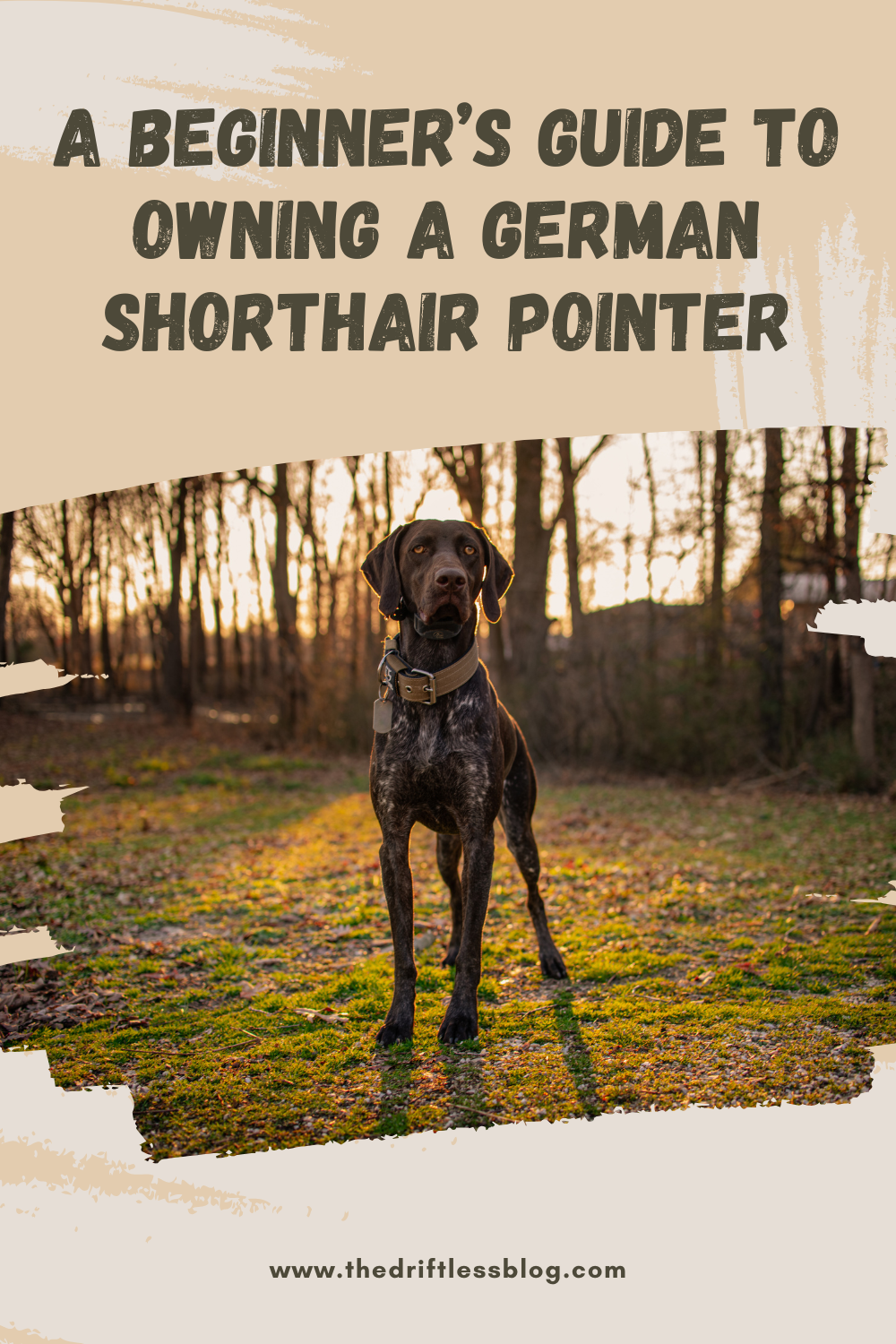
Understanding the German Shorthair Pointer
Originally bred in Germany as a versatile hunting companion, the GSP can track, point, retrieve, and thrive on both land and water. Today, they’re just as well-loved for their athletic ability as their goofy, people-loving personalities.
Key breed traits include:
Highly energetic and playful
Extremely smart and trainable
Velcro-style affection — they love being with their people
Medium-to-large build with a short, low-maintenance coat
Lifespan: 12–15 years
If you’re considering adding a German Shorthair Pointer (often called a GSP) to your family, you’re in for an incredible adventure. These dogs are loyal, affectionate, and brilliant athletes. But they’re also one of the most energetic and demanding dog breeds in the world — which means they aren’t the right match for every household.
This guide walks you through everything a new or potential GSP owner needs to know, from training and exercise to health and everyday life.
Exercise and Mental Stimulation Needs
Owning a GSP means making exercise part of your lifestyle. Physical activity keeps their bodies healthy, but mental stimulation is just as important to prevent boredom.
Daily activities that work well:
Running or vigorous power walks
Hiking and trail adventures
Jogging alongside a bike
Fetch and frisbee sessions
Swimming (most GSPs love water)
Mental enrichment ideas:
Scent-tracking games around the house or yard
Puzzle feeders
Hide-and-seek with toys or treats
Structured obedience and trick training
A tired GSP is a happy GSP — and a tired owner, too!
Training Your German Shorthair Pointer
Training is not optional with this breed — it’s essential. They are extremely smart, which means they learn fast… including the habits you don’t want.
Training priorities for GSPs:
Socialization from puppyhood (people, dogs, environments)
Crate training to create a calm space and prevent anxiety
Leash manners (they are strong pullers if not trained early)
Reliable recall — their hunting instincts can send them sprinting
Impulse control (sit, place, wait, stay)
GSPs respond best to positive reinforcement, structure, and consistency. A tired mind = better listening.
Is a GSP the Right Fit for You?
German Shorthairs are incredible dogs, but they are not low-maintenance.
A GSP will thrive in:
Active families
Outdoorsy households
Homes where someone can spend time training and playing daily
Challenges potential owners should consider:
They need lots of exercise — often 1.5 to 3 hours a day
They can get anxious, destructive, or vocal if bored
Without training or boundaries, their energy can feel overwhelming
If you’re searching for a couch-potato companion, this probably isn’t your breed. But if you love movement, adventures, and a smart working dog — you’ll have the perfect match.
Grooming and Everyday Care
The short coat of a GSP is low-maintenance — but not zero-maintenance.
Routine care includes:
Weekly brushing to remove loose coat and dirt
Monthly nail trims (or more often for active dogs)
Routine ear cleaning — floppy ears trap moisture
Daily dental care or dental chews
Be prepared for “the GSP mud lifestyle” — outdoor fun means more baths in rainy seasons.
Nutrition and Feeding
High-quality nutrition plays a big role in energy levels, coat health, and digestion.
General guidelines:
Choose a protein-rich food formulated for active or sporting breeds
Feed puppies 3x daily, adult dogs 2x daily
Avoid overfeeding — GSPs are prone to overeating and bloat
Treats are great for training but should stay within 10% of daily calories.
What to Expect in the First Year
0–6 months: High energy, teething, fast learning, nap-heavy days
6–18 months: Teenage phase — boundary testing and BIG energy
18–36 months: Gradual emotional maturity, better impulse control
3+ years: Many GSPs “settle,” but exercise needs remain high
With training and structure, it gets easier every month — and incredibly rewarding.
Final Thoughts
Owning a German Shorthair Pointer is not a small commitment. They require time, patience, and an active lifestyle. But if you’re up for the challenge, you’ll gain a loyal, loving, hilarious, and unforgettable companion.
GSPs give everything they have — love, energy, enthusiasm — and they expect the same from their people. For the right owner, that bond is unbeatable.
Here is a list of recommended toys/gear/training tools that we use for our GSP:
Dental Chews: Our dog loves these
Dental Wipes: These work great. Especially if your dog is fussy about teeth brushing.
Ear Cleaner: What I use
Bumpers: We use these
Garmin Collar: This is the one we have. Works really well with our dog.
Hunting Vest: We use this one. It helps protect our dog while he’s out in the woods.
Training Treats: These are the best. Clean ingredients too!
Bones: Elk Antlers are great
If you’ve found this helpful, I’d love to hear about it! Let me know via email thedriftlessblog@gmail.com or message me on Instagram @thedriftlessblog. And don’t forget to subscribe below!
Living with a GSP
If you want a dog who follows you everywhere, you’re in luck — GSPs are nicknamed “velcro dogs.”
They thrive when:
Allowed to be near their family
Included in activities rather than left alone
Offered structure and exercise daily
They are usually wonderful with kids and other dogs, especially when well socialized. However, small pets like cats or rabbits may trigger their prey drive.
Activities GSPs Love
These dogs love to have a job. Great activities include:
Agility
Scent work and field work
Dock diving
Trail running
Flyball
Fetch and frisbee
Swimming adventures
You don’t have to hunt for a GSP to live happily — but you do need to give them ways to use their brain and body.
Health Considerations
Most GSPs are healthy dogs, but the breed is predisposed to a few conditions, including:
Hip dysplasia
Bloat (gastric torsion)
Allergies
Hypothyroidism
Ear infections due to moisture
Routine vet checkups, keeping a healthy weight, and not letting dogs exercise immediately after big meals can make a big difference.